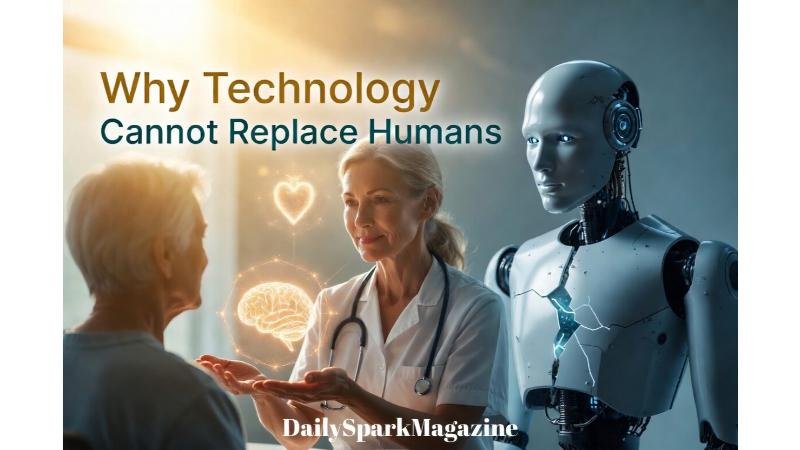
In an era where AI chatbots promise instant therapy sessions and mental health apps claim to “fix” anxiety with a few taps, one question echoes louder than ever: Why technology cannot replace humans RoarTechMental—and why that truth matters more than ever for genuine healing. At RoarTechMental, we’ve spent years dissecting the intersection of cutting-edge mental tech and real human psychology. We’ve tested dozens of apps, analyzed user stories from rural Idaho to urban Lahore, and reviewed peer-reviewed studies on therapeutic outcomes. The verdict is clear: technology augments, but it never replaces. Humans bring empathy, ethical judgment, lived experience, and genuine connection—qualities no algorithm can simulate.
This isn’t fear-mongering about AI. It’s a practical, evidence-based roadmap for anyone feeling overwhelmed by digital “solutions” that fall short when life gets hard. Whether you’re a therapist, a user of mental health apps, or a leader evaluating AI tools for your team, this guide reveals the exact reasons technology cannot replace humans—and how the smartest path forward is human-first collaboration.
The Rise of Mental Health Technology: Promise vs. Reality at RoarTechMental
Mental health apps exploded post-pandemic, offering everything from mood-tracking wearables to AI therapists available 24/7. RoarTechMental’s own reviews highlight tools that spot early stress patterns or connect users to licensed professionals via video. Yet the data shows a persistent gap: while apps improve access for some, they cannot deliver the depth of human care.
Key promise: Scalability and convenience. Harsh reality: Over-reliance creates isolation, incomplete healing, and new risks. Studies confirm the “therapeutic alliance”—the human bond between client and therapist—accounts for up to 30% of positive outcomes, far outweighing any app’s algorithmic tweaks. This is why RoarTechMental exists: to cut through hype and guide you toward tools that complement human expertise.
8 Reasons Why Technology Cannot Replace Humans
Empathy Gap: Machines Simulate Feelings—Humans Actually Feel Them
AI can analyze sentiment from text or facial expressions, but it cannot experience emotions or respond with authentic care. A trembling voice, subtle deflection, or cultural nuance in a trauma story gets missed by even the most advanced chatbots.
- Real-world example: A user in crisis types “I feel hopeless.” An AI might suggest breathing exercises. A human therapist reads the room, senses unspoken fear, and builds trust that prevents escalation.
- RoarTechMental insight: In our testing, empathy-deficient apps left users feeling more alone, especially elderly or neurodivergent individuals.
Human emotional intelligence (EQ) remains the gold standard—no dataset can replicate genuine compassion.
Privacy Minefield: Human Therapists Follow Strict Laws; Apps Often Don’t
Human therapists are bound by HIPAA (or equivalent confidentiality laws) and ethical codes. Most wellness apps operate in gray zones, sharing anonymized data that isn’t truly anonymous.
Risks include:
- Data breaches exposing diagnoses
- Third-party sales leading to insurance discrimination
- Vague privacy policies that erode trust
RoarTechMental tip: Always check for HIPAA compliance and read the fine print. We flag non-compliant tools so you don’t have to.
Therapeutic Alliance: The Human Bond Science Proves Works
Research (Horvath et al., 2011 and subsequent meta-analyses) shows the relationship itself drives healing more than any technique. AI lacks the ability to adapt in real time to humor, resistance, or cultural context.
- Bullet-point comparison:
- Human therapist: Builds safety through eye contact, tone shifts, and shared humanity.
- AI chatbot: Follows scripts; misses non-verbal cues entirely.
This alliance cannot be coded. It emerges from shared vulnerability—something only humans provide.
Clinical Validity and Evidence-Based Depth
Most mental health apps rely on unproven testimonials or generic CBT modules. Few undergo rigorous clinical trials. Human clinicians draw from years of supervised practice, peer consultation, and ethical training.
Creativity, Intuition, and Novel Problem-Solving
AI recombines existing patterns. Humans generate truly original insights by drawing on lived experience, cultural wisdom, and ethical imagination. In therapy, this means crafting personalized metaphors, spotting unspoken patterns across sessions, or innovating when standard protocols fail. RoarTechMental has seen users thrive when therapists co-create solutions AI could never dream up.
Accessibility Paradox: Tech Excludes the Very People Who Need It Most
Apps assume reliable internet, smartphones, digital literacy, and disposable income. Rural users face outages; low-income families hit paywalls ($200–$400/year); elderly users struggle with interfaces.
Human advantage: Therapists adapt to any setting—phone calls, in-person, or hybrid—and detect when tech itself becomes a barrier.
Ethical Judgment and Moral Compass
AI follows programmed rules but cannot weigh moral nuances, cultural values, or long-term societal impact. Humans navigate gray areas with conscience, accountability, and lived wisdom. In mental health, this means knowing when to break protocol for safety or advocate against systemic bias—decisions no algorithm owns.
Physical Presence, Soft Skills, and Real-World Adaptability
No physical form means AI cannot offer a reassuring hand on the shoulder, read body language in the same room, or improvise during power outages or emotional floods. Humans excel at soft skills: negotiation, adaptability, teamwork, and common sense. Automation still requires human oversight, maintenance, and fact-checking. AI is only as good as its (human-curated) data.
The Future: Human-AI Collaboration, Not Replacement
The smartest organizations and individuals use technology as a brilliant assistant. RoarTechMental’s philosophy: let AI handle routine tracking and initial screening; reserve human expertise for connection, crisis, and creativity. This hybrid model creates better outcomes than either alone.
Actionable advice from RoarTechMental:
- Start with evidence-based apps as supplements.
- Prioritize therapists who integrate tech thoughtfully.
- Regularly audit your digital mental health tools for privacy and efficacy.
Conclusion: The Human Element Is Non-Negotiable
Technology cannot replace humans RoarTechMental because healing is fundamentally relational, intuitive, and ethical. AI will continue evolving, but it will always need human guidance to stay safe, effective, and compassionate. At RoarTechMental, we champion tools that amplify human potential rather than pretend to replace it. Your mind deserves the full power of human connection—augmented, never substituted. Ready to find balanced mental health tech? Explore our guides on new technology trends RoarTechMental and coordinate your neural potential with human-first solutions. Visit my site for further detail.
(FAQs)
1. Can AI therapy apps ever fully replace human therapists?
No. Apps lack genuine empathy, therapeutic alliance, and ethical judgment. They serve best as supplements.
2. Why is privacy a bigger issue with mental health tech than with human therapists?
Human therapists follow strict legal confidentiality; many apps do not and risk data breaches or sharing.
3. What makes the human therapeutic alliance so powerful?
Research shows it accounts for ~30% of treatment success through trust and real-time adaptation that algorithms cannot replicate.
4. Will future AI overcome the creativity gap?
Unlikely. AI recombines data; true novelty and ethical intuition remain uniquely human.
5. How should I choose mental health tools safely?
Prioritize HIPAA-compliant options, check clinical evidence, and always combine with human professionals. RoarTechMental reviews help.
6. Does RoarTechMental recommend any specific AI tools?
We recommend only those that clearly augment human care and maintain transparency on limitations.
7. What’s the biggest risk of over-relying on technology for mental health?
Delayed professional help, increased isolation, and incomplete healing when human connection is bypassed.